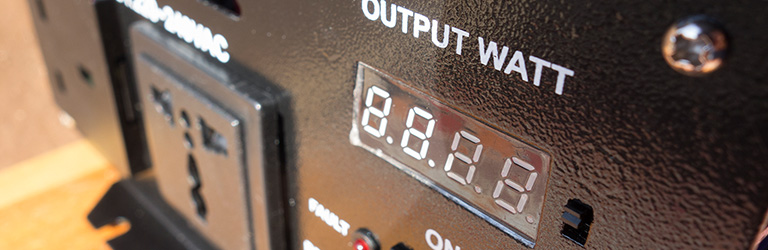
Frequently asked questions about inverters
Learn what you need to know about how inverters work, the different types available, what you can power and more.
If you’re looking for alternative power solutions for your home, an inverter system might be a suitable option. This article will help you understand the role these systems play, the set-up requirements and their maintenance needs.
What does an inverter do?
An inverter helps keep your home’s essential appliances running during a power outage. It does this by converting direct current (DC) power from your battery storage or solar panels into alternating current (AC) electricity that your home can safely use.
When grid power is available, the inverter can also draw power from your conventional electricity supply to charge your batteries for use later.
Learn how home solar systems work
What is alternating current (AC) power?
Alternating current (AC) power is the type of electricity used in homes. It’s what comes from the national electricity grid and powers everyday appliances like lights, TVs, fridges and kettles.
What is direct current (DC) power?
Direct current (DC) power is the type of electricity stored in batteries and produced by solar panels. DC power is not used by South African household appliances, which is why an inverter is needed to convert it into usable electricity for your home.
How is a portable inverter system set up?
These smaller systems often include the inverter and battery in a single housing and are typically plug-and-play units.
They are set up by:
- Plugging the inverter into a standard wall socket to charge the battery
- Plugging essential appliances directly into the inverter’s built-in plug points
When grid electricity is available, the inverter charges its battery. During a power outage, it supplies electricity from the battery to the connected appliances.
These systems are easy to move and don’t require permanent installation, but they are usually limited to powering a small number of essential devices.
How is an installed or solar inverter system set up?
Larger inverter and solar inverter systems are permanently installed in your home and connected to your main distribution board (DB board).
These systems typically include:
- An inverter
- A separate battery bank
- Safety and switching equipment
- Solar panels (optional)
They are set up so that selected circuits in your home, such as lights, plugs or home office areas, receive backup power when there’s an outage.
The switch‑over from grid power to battery power usually happens automatically.
Because these systems are hardwired into your home’s electrical system, they need to be installed by a qualified electrician or installer to ensure safety and compliance.
Note: Not all inverters are solar-ready. Some systems require additional components, such as a solar charge controller or a specific type of inverter designed to work with solar panels. A professional assessment can help determine whether solar panels can be added to an existing system or whether a hybrid inverter is needed.
What are the different types of inverters?
There are different types of inverters, designed for different household needs and setups.
Sine wave types
- Pure sine wave inverters produce electricity similar to grid power and are suitable for most household appliances, including sensitive electronics.
- Modified sine wave inverters are more affordable but may cause issues with some sensitive appliances and electronics.
For most homes, a pure sine wave inverter is recommended.
Portable vs installed systems
- Portable inverter systems are plug-and-play units used to power a small number of essential appliances during outages.
- Installed inverter systems are permanently connected to your home’s distribution board (DB board) and can support more appliances, often with automatic switch‑over.
Inverters used with solar
- Hybrid inverters work with batteries, grid electricity and solar panels.
- Off‑grid inverters are used in homes that are completely reliant on solar power and are no longer connected to the electricity grid.
- Grid-tied inverters work with solar and the grid but usually don’t provide backup power unless batteries are added.
Note: Not all inverters are solar-ready, so it’s important to check compatibility before adding solar panels.
What are the advantages of an inverter system?
Unlike generators, inverter systems are very quiet, don't emit fumes and can be kept and run indoors.
For people living in sectional title complexes and under homeowners' associations that don’t allow generators, inverters are often the most effective option.
What are some of the drawbacks?
Inverter systems are limited by both battery storage and power output. Once the batteries are depleted, the system must recharge before it can supply power again. In addition, running too many appliances or high-power devices at the same time can overload the inverter, even if battery power is still available.
What size inverter do I need?
The size of inverter you need depends on two main things:
- How much power your appliances use (measured in watts), and
- How long you want to run them during a power outage.
Step 1: Work out your power needs
Start by making a list of the appliances and devices you want to run on your inverter system. Check their watt requirements and add these together to get an estimated total power demand.
Note: 1 000 watts (W) = 1 kilowatt (kW).
Step 2: Allow room for safety and performance
To avoid overloading your system, your total power requirements should ideally not exceed about 75% of your inverter and battery system’s capacity. This helps ensure smoother operation and reduces wear on the system.
Both the inverter size (how much power it can deliver at once) and the battery capacity (how long it can supply that power) need to be considered when choosing the right system.
Can I install an inverter myself?
Smaller, plug-and-play inverter systems can usually be set up by the homeowner and don’t require permanent installation.
However, larger inverter systems that are connected to your home’s electrical system require installation by a qualified electrician. The same applies to solar inverter systems.
Professional installation helps ensure the system is safe, compliant and correctly set up for your household’s needs.
Can I use a car battery with my system?
No, automotive batteries aren't suitable for running for long periods.
For your home system, you should select deep cycle batteries such as lithium-ion or LiFePO₄ (lithium iron phosphate) batteries. These are designed to provide continuous power over a longer period and manage frequent charging and discharging cycles.
Can I leave my inverter system outdoors?
No, your inverter system needs to be protected from the elements at all times. Make sure it isn't positioned near a heat source either.
Can I use my inverter for my solar installation?
It depends on the type of inverter you choose. While many are designed to work with solar panels, many off-the-shelf systems aren't solar-ready.
If your inverter isn't solar-ready, you’ll need additional equipment, such as a solar conversion kit or a solar charge controller to safely connect solar panels to your system.
Before adding solar panels, it’s important to confirm with your manufacturer that your inverter is compatible or to choose an inverter specifically designed to work with solar.
How much maintenance will my system need?
While your inverter device will run for years without much needed in the way of maintenance, the same can’t be said for batteries.
You’ll need to make sure your batteries are kept in a well-ventilated area and are discharged at least once a month to keep them in good condition.
You’ll need to replace all the batteries every 3 to 5 years, as swapping out just one battery and leaving an old battery in place can damage the inverter itself.
LookSee's end-to-end home solar offering promises minimum savings on your electricity bill with systems designed for your personal needs.




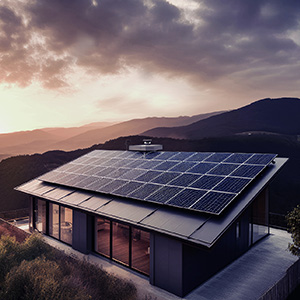
Cut your electricity bills for good and start saving today with our hybrid solar solutions.
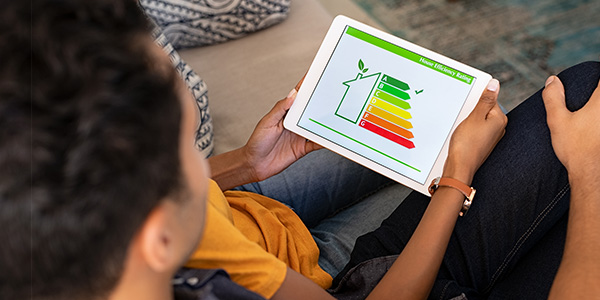
The Smart Save Journey gives you a clear view of your home’s electricity use, highlights ways to cut costs, and helps you run a more efficient home.

LookSee helps households find the right finance solution from Standard Bank for their home’s needs.