Your guide to going solar in South Africa
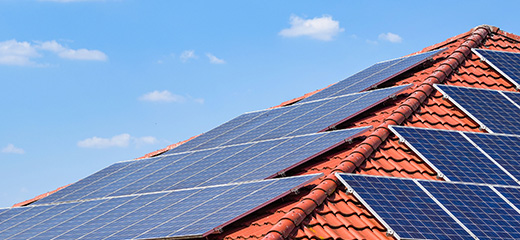
South Africa enjoys some of the highest levels of sunshine globally, making solar power a natural solution for homeowners. With electricity tariffs rising year after year and unexpected outages still occurring, solar power offers two major benefits: cost savings and energy security.
Installing solar panels can significantly reduce your monthly electricity bill. Over time, these savings add up, making solar not just an environmentally friendly choice but a financially smart one. Plus, with a range of solution types and rental and finance options available, solar is no longer reserved for high-income households – it’s becoming accessible to more South Africans every year.
Tackle your greedy geyser for immediate savings
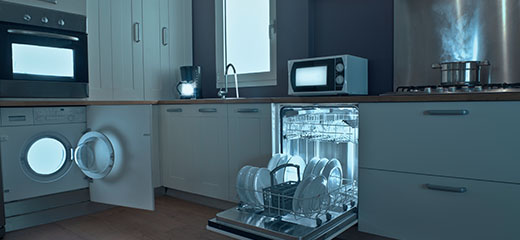
Your geyser is the single biggest electricity consumer in your home, often accounting for 30–40% of your monthly electricity bill. By converting your existing electric geyser to get power from standard solar panels, you start saving from day one.
Find out how to save by powering your electric geyser with solar
Why start with your geyser?
- Immediate savings: Solar geyser conversions are affordable and drastically reduce the electricity needed to heat water.
- Lower overall solar costs: Removing the geyser load means your future home solar system can be smaller and more affordable.
- Fast payback: Solar geyser conversions typically offer some of the quickest payback periods of any home energy upgrade.
This first step creates a solid foundation for your broader solar journey and reduces the size – and cost – of the solar system you’ll need later.
Choose solar with savings in mind
Once your geyser is off the grid, the next natural step is to explore a home solar system to tackle the rest (or some) of your electricity consumption.
With so many options and packages available, it’s easy to get bogged down in the technical details. However, experts agree that each household’s needs are different, which means there’s no one-size-fits-all solution. Instead, the right setup depends on how much electricity you use, when you use it, and the savings you want to achieve.
“This approach has enabled us to offer our first-of-a-kind Savings Guarantee on home solar investments. And we back our guarantee with a R2 000 cashback into the account of your choice if you don’t achieve those savings during the first 6 months of your system going live.”
A customised home solar system can be built using different combinations of:
- Inverter sizes: The inverter is the heart of your system, and its capacity determines how many appliances you can run at once. Choosing the right size prevents overload while avoiding overspending.
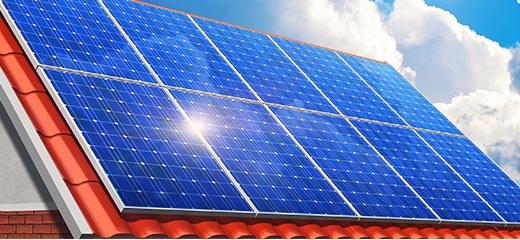
- Number of solar panels: Panels can be added or reduced depending on your daytime electricity use, roof space and how much battery storage you want to charge during the day. More panels mean more energy generation - but it will go to waste if your family doesn’t use it.
- Battery storage options: Batteries come in different sizes to match how much backup power you want. Some families only need a few hours to cover some of their evening electricity needs, while others prefer overnight capacity or full outage protection.
The key message? Your solar system should fit your family – not the other way around. Tailoring the system to your unique needs helps avoid unnecessary costs and ensures you get maximum savings and value from your investment.
Solar is more affordable than you think
The good news is that technological advances have resulted in increases in solar performance while component and system prices have come down significantly, says du Plessis.
“Families also now have far more options when it comes to the way they pay for their solar systems. For those who are looking to access long-term savings, Standard Bank offers a variety of finance options such as bundling the costs into a new home loan, taking advantage of an existing home loan or selecting our made-for-purpose Energy Loan,” he explains.
“If you’re not ready to make that financial outlay, our solar rental options provide a cost-effective way to access immediate savings with all the benefits of support and maintenance built into the contract.”
Whether you want to own your system or rent it for a fixed monthly fee, there’s a route that fits your budget and risk appetite. Here’s how the two main options compare:
Solar financing (own your system)
- How it works: You pay cash or take a loan and repay it monthly while enjoying the savings on your electricity bills. You can use these savings to help pay off your finance repayments.
- Best for: Homeowners who plan to stay put and want the highest long-term return.
- Upside: You own the solar system, benefit fully from future savings, and can add panels/batteries as the need arises.
- Consider: A credit check and deposit may apply; you’re responsible for maintenance.
See LookSee's range of financing options
Solar rental (contract)
- How it works: You pay a fixed monthly fee to use a complete solar system. Your savings on your electricity bill could be enough to pay for the rental.
- Best for: Families who are planning to move in the next 5 years or want predictable costs and no big upfront payment.
- Upside: Maintenance and monitoring are included.
- Consider: You don’t own the system; costs will apply if you move or want to upgrade. You’ll also need to plan for annual increases.
Learn more about solar rentals.
Which one should you choose?
- Want maximum lifetime savings and the freedom to customise? Ownership is usually the smarter bet as once any finance is paid off, the savings go straight into your pocket.
- Prefer certainty and simplicity with minimal admin? Rental keeps costs steady and hassle low.
Whichever route you choose, the goal is the same: reduce your monthly bill and protect your household from future tariff hikes.
LookSee offers solar solutions that suit your home and budget with options to rent, finance or buy.