Frequently asked questions about solar systems
Learn more about the basics of home solar systems and the role that solar panels, batteries and inverters play.
What is a home solar system?
A basic home solar system is made up of solar panels that capture sunlight and an inverter that converts it into electricity for use in your home. The addition of batteries enables households to store some of their solar power for use overnight or during power outages.
How does a solar system work?
A solar power system essentially converts light from the sun into usable energy. When the sun's light – or solar radiation – hits the semiconductor material within the solar panel, electrons are released which generate electric current.
The electricity generated in the solar panels is direct current (DC), so an inverter is required to convert it to alternating current (AC) electricity which can be used in homes and businesses.
Once it has been converted, it is then distributed to your main electrical board to power your home, or specific appliances and applications such as geysers, lights and many more.
Excess electricity generated by your system can be stored in a battery storage or sold back to the grid if your municipality or utility allows.
Learn more about the different types of solar systems.
The different components of a home solar power system
- Solar panels:
Panels are made up of photovoltaic cells, which absorb energy from the sun and convert this into direct current (DC) electricity. - Battery charge controller:
This regulates the flow of electricity from the panels to the battery system, ensuring batteries are not damaged through overcharging or discharging. - Battery storage:
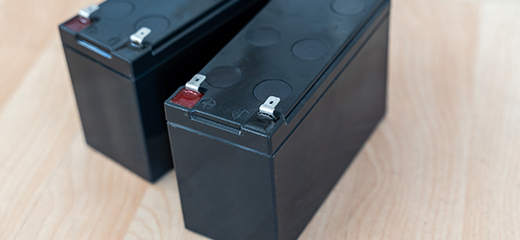
Most solar systems include battery storage to ensure homes can store converted electricity for use outside of sunlight hours. - Inverter:
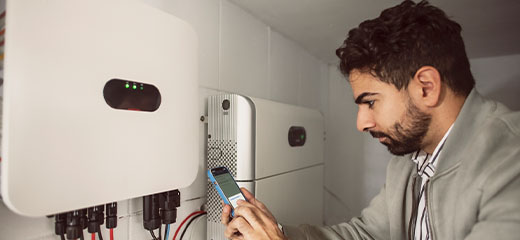
The inverter converts direct current (DC) to alternating current (AC) so that the system can make use of your solar and battery-stored power. - Electrical board:
The output from your inverter is wired into the main electrical board of your home for household use. There are 2 options that can be used in this regard.- The first is a hybrid model where you use your solar power and switch over to grid-supplied power when this runs out.
- The other option is to go completely off the grid by disconnecting from the utility supply. All work on a home’s electrical board must be done by a qualified and registered electrician and an electrical certificate of compliance must be issued after the work is complete.
What are solar panels and how do they work?
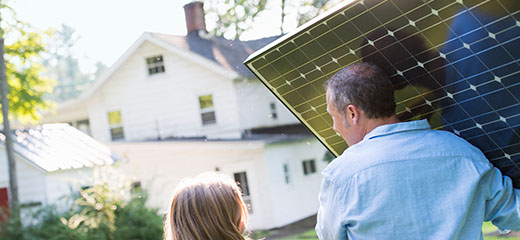
Solar panels are made up of photovoltaic (PV) cells that capture sunlight and convert it into direct current (DC) electricity. An inverter then converts the DC electricity into alternating current (AC) electricity that can be used in your home.
The different types of solar panels include:
-
Monocrystalline:
These solar panels are made from single silicon crystals and are considerably more effective at converting sunlight into energy. LookSee uses monocrystalline solar panels for their enhanced efficiency, better heat performance and smaller space requirements. - Polycrystalline:
Made up of multiple silicon fragments, these solar panels are more affordable but less efficient in capturing sunlight.
- Thin-film:
These lightweight panels are created by layering photovoltaic material onto flexible surfaces, making them useful where portability, curved surfaces, or weight limitations matter. However, these are currently rarely used for home solar installations due to lower efficiency and shorter lifespan.
How long do solar panels last?
Typically, your solar panels will feature a performance warranty between 20 and 25 years, however they could continue to generate power for years after this with regular maintenance and servicing. Your panels require regular cleaning to ensure they operate efficiently.
Tips on how to maintain and extend the life of your solar power system.
How many solar panels do I need?
The number of solar panels your family needs depends on your average electricity consumption and whether you would like to include battery storage in your solar system.
You’ll also need to consider the number of solar panels you can mount on your roof, taking into account cardinal direction, roof area, slope and horizontal irradiance.
Our specialist Solar Customer Care Team can help you calculate the right number of panels for your family’s specific needs and budget.
Let’s help you choose the best solution for your home based on your monthly electricity bill.
How much electricity can I generate?
This will depend on the type and size of your solar system and whether you have battery storage.
Converting your geyser to get power from solar panels as an example, can save as much as 30 to 40% on your electricity bill.
A traditional solar system, on the other hand, can cater for up to 100% of your family’s electricity needs if you invest in sufficient solar panels and battery storage.
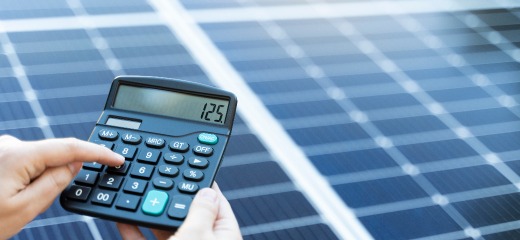
Use our solar power calculator to see how much energy you can generate.
Will a solar system work during power outages?
If you have batteries attached to your solar system, your home will be able to use this stored electricity during power interruptions.
How long your batteries last will depend on how much electricity is stored and how many appliances are drawing electricity during the outage.
Learn more about backup batteries.
How much does a home solar system cost?
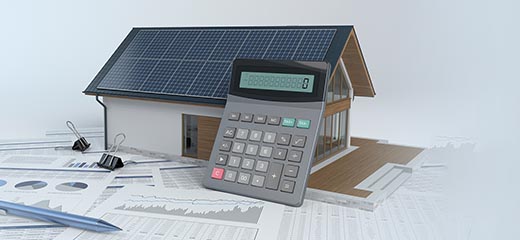
The cost of a solar system can vary depending on factors such as the size of the system, the type of panels used and the amount of battery storage selected.
On average, a home solar system can cost anywhere between R75 000 and R300 000.
You can also choose to rent a solar system.
Can I install a system myself?
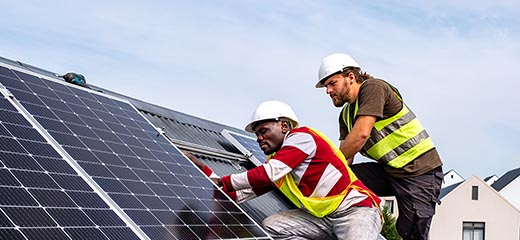
While it is possible to install a home solar system yourself, it is strongly recommended to hire a professional solar installer to ensure the system is installed correctly and safely.
All solar systems that are wired into the main electrical board of a home are required by law to have an Electrical Certificate of Compliance issued.
LookSee offers solar solutions that suit your home and budget with options to rent, finance or buy.

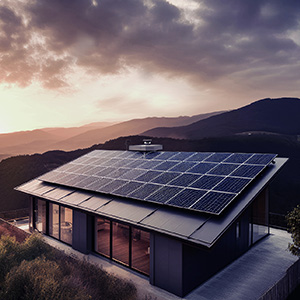
Cut your electricity bills for good and start saving today with our hybrid solar solutions.

LookSee helps households find the right finance solution from Standard Bank for their home’s needs.
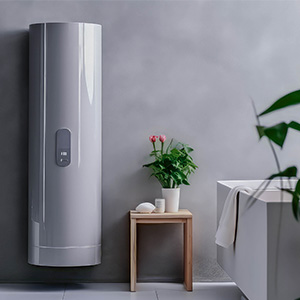
Save up to 40% on your electricity bill when you address the high cost of running your geyser.